Pursuit of Truth

by: Danielle Bryn J. Anos || Photo Credit: Joxyne Gravoso

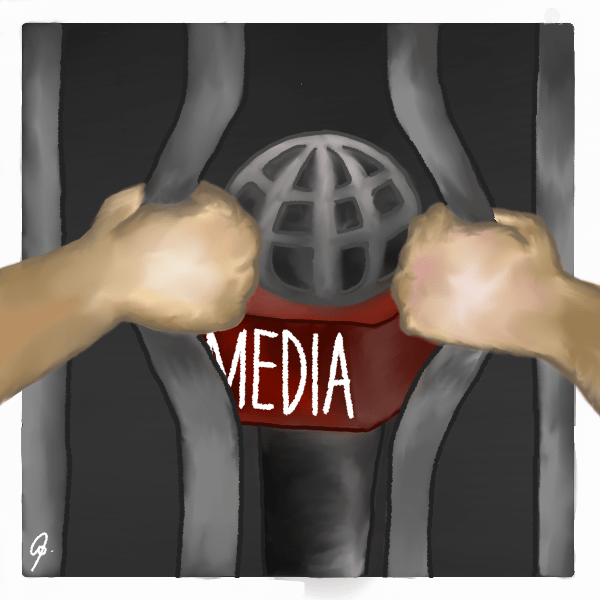
Earlier this year, on April 13, 2022, 16th President Rodrigo Roa Duterte signed into law a bill declaring August 30 of every year as National Press Freedom Day. The irony is quite thick, isn’t it?

It is said that press freedom in the Philippines is protected and preserved, yet the shutdown of the biggest news source in the country says otherwise. In some regions of the Philippines, ABS-CBN is the main—and sometimes the only—source of information, especially during times of calamities. The termination of such a large broadcasting company is a hit to press freedom and a huge loss for the Filipinos. 

However, the ABS-CBN shutdown is not the only incident where the freedom of the press was not defended. Rappler, another distinguished news site in the country, was recently ordered by the government to shut down, just as Former President Rodrigo Duterte was stepping down from office. The hostility between Rappler and the 16th President of the Philippines is not a concealed fact. The news site’s co-founder and Nobel Peace Prize Awardee, Maria Ressa, had even faced several criminal charges for reporting Former Pres. Duterte’s controversial war on drugs. 

In fact, there have been many cases where journalists were victims of various forms of harassment or even murder. So much so that in 2022, the Philippines placed 147 out of 180 countries on the World Press Freedom Index by Reporters Without Borders (RSF).

The standing cases of press freedom suppression in the Philippines are disheartening. It is as if journalism is a crime, as if amplifying the voices of the unheard is an offense. As a student journalist, I find it frightening how one can get persecuted on unfair grounds and find it absurd how the rights of the press are taken away for being critical.

With the state of press freedom today, we come to ask: What will become of those who aspire to seek and speak the truth? Or of those who dream of seeing a better future for the country?

As we celebrate National Press Freedom Day, be reminded that one must not be so quick to vilify the country’s journalists. Word spreads like wildfire, and therefore, it is only right and safe to authenticate the information that one shares. 

To all bearers of truth, remain standing for what is right and real. No one, not even the highest officer of a nation, should take away the freedom of the press or anybody. At the end of the day, facts remain to be facts.

To the leaders of the country, we beg that you do not strip away these rights from your people. After all, there would not be much left of democracy without press freedom.

Editor’s Note: 

We at The Science Net honor the vital role that the press plays in our democratic society. As student journalists, we pledge to uphold our ethics in our intrepid pursuit of the untarnished truth. 

May we celebrate National Press Freedom Day with a vision of a country where speaking the truth is praised and not threatened.

Gunning Down Gun Violence

by Esmar Angelo M. Abobo || Photo Credit: Aaron Favila/The Washington Post

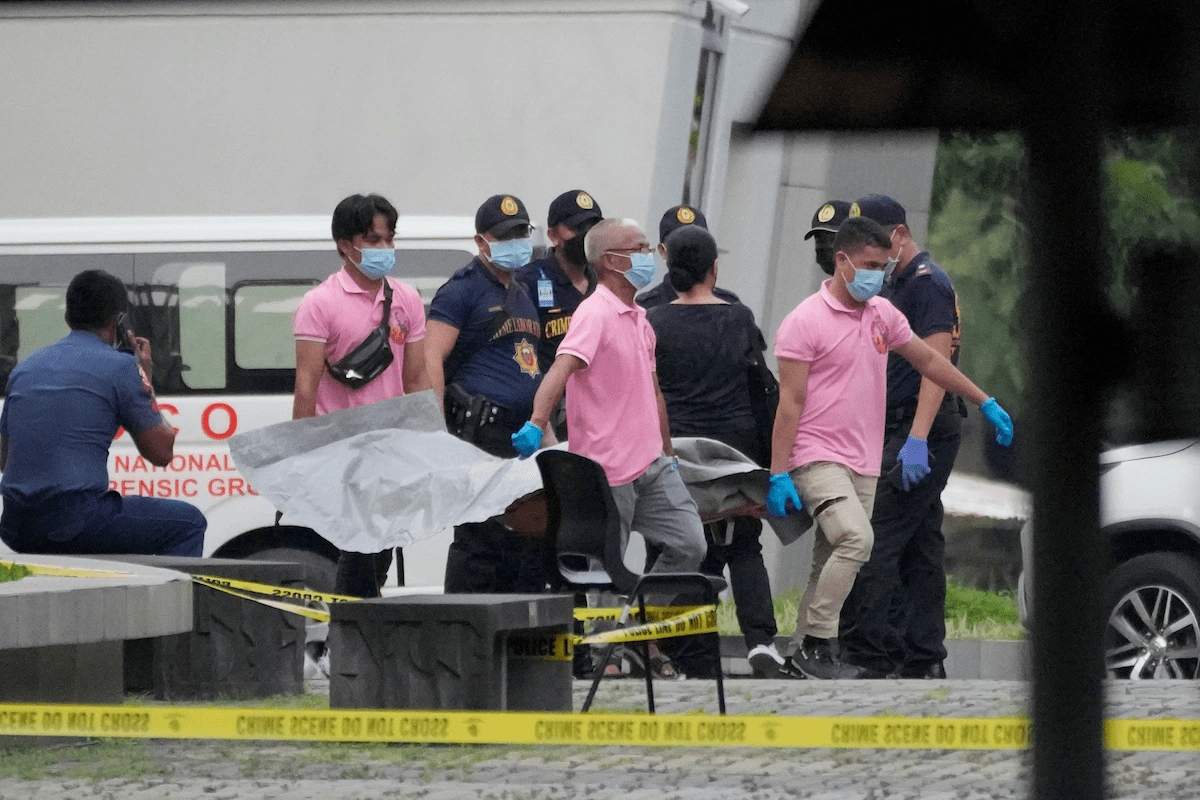
The tragic shooting incident that transpired at the Ateneo de Manila University was one that shook the nation, and with it, exposed the lack of gun control in the Philippines. What was supposed to be a graduation filled with laughter and joy turned into a day of bloodshed filled with panic and grief. The suspect, Chao Tiao Yumol, a physician turned shooter, took the lives of three victims: former Lamitan, Basilan mayor Rose Furigay, her long-time aide Victor George Capistrano, and Ateneo security guard Jeneven Bandiala. Yumol also wounded two victims, including Hannah Furigay—the former mayor’s daughter—who, at that time, was one of the graduates.

What does this say about the current laws on gun control in the Philippines?

The Philippines is relatively permissive in comparison to some countries when it comes to firearms. Almost everyone can possess a gun—from accountants, to cashiers, to physicians like Yumol, to even priests. With this large accessibility to firearms, incidents like homicides and murders due to such weapons are likely bound to happen. 

However, in the Ateneo de Manila University shooting incident, the .45 caliber pistol—one of his two weapons—seized from Yumol was not legally owned by him. It was instead traced back to an active soldier in Mindanao. The lost pistol may not have seemed to be a matter worth significant concern in 2019; three years later, it became a portent of a crime. 

Although owning and carrying a gun is already a great responsibility, the responsibility of securing it is far greater. In this case, armed personnel should not only be responsible for handling firearms but also for ensuring that they don’t fall into the wrong hands. Observing and implementing more restrictive laws may help prevent further similar incidents from happening.

Will implementing stricter laws help reduce the number of cases involving gun violence?

Regulating the accessibility to firearms will significantly reduce the number of deaths caused by gun violence. Although the 1,218 deaths of gun violence cases in 2019 are less than the 5,221 deaths in 2011, it is still a considerable number for a developing country. Should the Philippines resort to restrictive laws like Spain, where the deaths by armed violence in 2019 were reported at 53, suppressing this culture of violence in the country would be possible. 

To Chao Tiao Yumol, you were a physician—a profession that swore to save people’s lives—yet you took away the lives of three people and showed no remorse. Your actions and those who might follow, worship, and sympathize with you shall never be condoned.

To the government, how many more deaths caused by firearms will it take for gun control in the Philippines to be seriously regarded? These deaths aren’t to be dismissed because every single Filipino has the right to feel safe in their homeland. Listen to the voices of the people and take action.

And to the victims’ bereaved families and loved ones, we are with you. We extend our deepest condolences to you. We hope for justice to be served.

This incident is just one of the many episodes of gun violence in the Philippines; this only uncovers the truth that gun violence is a very significant issue in the country that needs to be addressed as soon as possible. Hopefully, with more restrictive laws and proper responsibility regarding firearms, we may see a future where gun violence is less of a threat than it is today.

A Future That Burns Bright

by Minoelle Aralar || Photo Credit: Nikkei Asia

The country is currently experiencing what might be the worst economic downfall since Martial Law. Gas prices are high, consumer prices are rising, and most of all, the dollar exchange rate is rapidly falling — plummeting to a 16-year low. 

What does this mean for the future? 

Our future might be at risk of being gloomy, especially for aspiring scientists, in the country’s current ‘brain drain’ climate. At best, we may be a country recovering from the ails that plague it — a new era, they say. At the worst, however, we may just be continuing to fall lower than rock bottom. 

The country’s people seek economic security and the safety of being able to carry on with their lives without having to see poverty. For us scholars, on the other hand, it means being able to study and pursue the untarnished truth without having to worry about being unemployed after graduation. 

The current situation reflects uncertainty as to where the country is headed, especially with COVID-19 still lingering and continuing to debilitate the normal function of people’s everyday lives. It is a challenge on how to survive these unprecedented trying times. 

But even then, hope never fails to show itself. Hope prevails, even in the direst circumstances. There is still time for change to happen, for a miracle to happen. Perhaps, as the world continues to advance towards a brighter and better future, it is not too late for the Philippines to change its course for its own.

Perhaps, there is still a chance and hope for a future that burns bright.

Masking the Earth

by Jazie Mein T. Rangga || Photo Credit: WBUR

“Adults keep saying: ‘We owe it to the young people to give them hope.’ 

But I don’t want your hope. I don’t want you to be hopeful. I want you to panic. I want you to feel the fear I feel every day. And then I want you to act. I want you to act as you would in a crisis. I want you to act as if the house is on fire. Because it is.” – Greta Thunberg, Swedish environmental activist at the World Economic Forum in Davos, Switzerland on January 25, 2019.

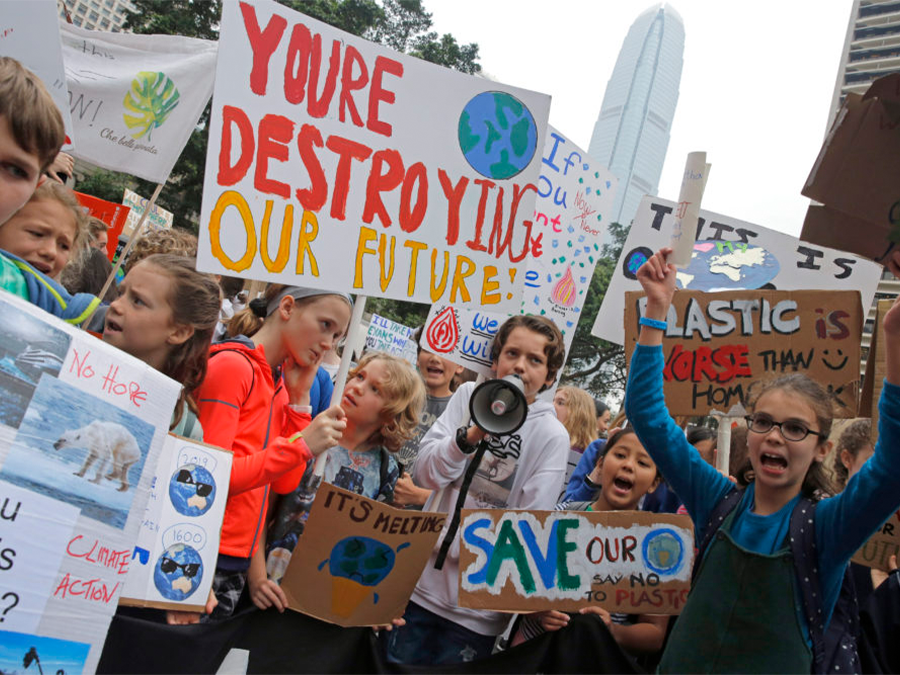
On April 6th, 2022, over 1,000 scientists in 26 countries risked arrest as they raised their voices and spoke about the arising dangers that fossil fuels pose to the climate. This sparked movement in the streets and on social media alike, with the #LetTheEarthBreathe rising rapidly on many top social media platforms. 

This isn’t the first protest humans have made for the sake of saving their planet. People have been arrested for speaking up about the environment all the way back in the early 1900s, only growing more desperate as the years go by. The planet grows hotter, but people are only silenced or urged to ignore it.

So why do we keep protesting? 

These protests usually end up in chaos, disorder, and disruptive behavior, after all. But the spectacle they cause is for the good of humanity. These rallies not only fight for the present but also for the future. 

The effects we witness today are proof that climate change can take so much from us. As the polluted air damages our lungs and the rising sea levels take away our homes, we’re forced to ponder, “Can we allow the future generations to suffer through that? They might even have to live through the world being sicker than it is today.”

They do not deserve to pay for the sins they had not committed. They deserve to come into a world where the sky is blue, not covered up by the grey smog of pollution.

What are we supposed to do then? 

For starters, we can follow the well-known four Rs (Reduce, Reuse, Recycle, Repair) to lessen our environmental waste. Riding a bike or taking public transport (bus, train, etc.) is another helpful way to reduce one’s carbon footprint. On a larger scale, we can also invest in environmentally-safe materials, and of course, save water and energy. 

What is our role as Filipino citizens? 

Voting for leaders who genuinely care for the environment and possess exceptional environmental platforms is a major leap itself, especially now as the elections are approaching. 

As science students, we can also use the privilege that has been given to us to learn more about the environment and how to improve such a dire situation. As bearers of the truth, it is also our duty to actively take part in this movement.

While humanity is still in a pandemic, masking ourselves to protect one another, there is no reason for the Earth to be masked and trapped in the heat and waste that we have created. Shouldn’t it also be given the freedom to breathe like the life it has harbored?

18 Hours a Day: The Reality of Others

by: Christian Lawrence Tan || Cartoon by: Nathalia Canlas

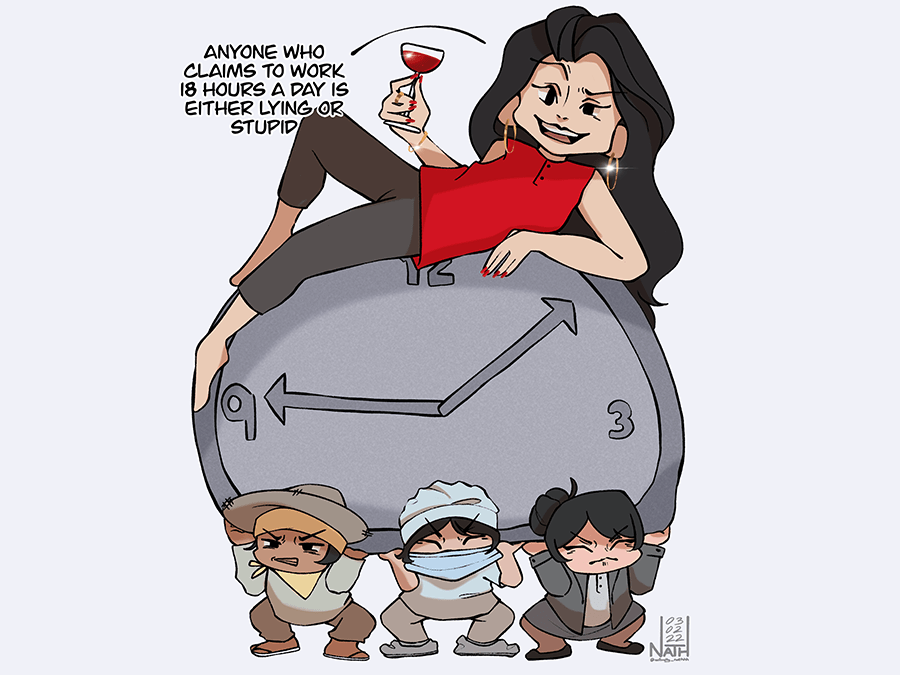
“Anyone who claims to work 18 hours a day is either lying or stupid.” This statement can be found in the recent VinCentiments film starring Senator Imee Marcos and other public figures. The video named a certain “Len-Len” who fainted after working more than 18 hours a day, with Senator Imee Marcos simply commenting that time management was key, likely as a response to Vice President Leni Robredo’s proclamation regarding her working hours during the Jessica Soho Presidential Interviews. 

However, this video, which was initially meant to be an attack towards the Vice President, was ignorant of the working Filipinos. It sparked rage in the working class, many of whom used the hashtag “#AkoSiLenLen” to come forth with their own realities, emphasizing how out of touch and insulting the film was. 

An 18-hour workday sounds like a stretch to most, but once you start counting how much time you need to put into your job to earn a living, those hours may very well reach that supposedly ridiculous number. From students who burn the midnight oil just to finish a comprehensive essay, street vendors who stay open in hopes of catching passersby late into the night, all the way to our medical workers and frontliners who work tirelessly to preserve and protect the lives of the Filipino people— placing all of these into perspective suddenly changes the whole story. 

A vendor who sells vegetables, for example, does not have a definite amount of paperwork to do, but they have to sell their produce to a number of people. Even on an idle day, most would have to extend their time to be able to provide for their families. On the other hand, there are those who have a fixed salary that simply isn’t enough — the underpaid who have to put more work in to make up for the gap in their wages. Many Filipinos don’t have the luxury to get off of work so early and still earn sufficiently. Some have to widen the net of their service time just to get a chance to earn more. That is the unfortunate reality of many people in the country.

The words spoken in the film were distant, far from the hearts and level of living that most working-class people experience. They felt that their lives and efforts were being insulted because they couldn’t finish the work that they themselves accepted. The reality of the working class is that most people don’t get to decide how much work they get, do they? It’s up to their superiors—the rich and powerful—to decide for them. 

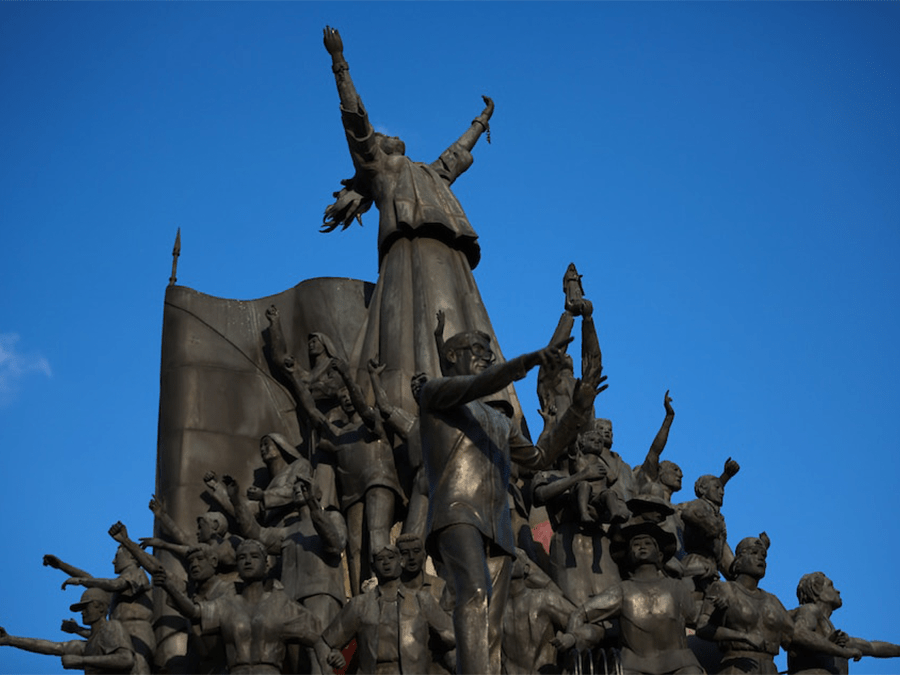
Never Forget, Never Again: The EDSA Revolution

by: Jazie Mein Rangga || Photo Credit: Filipino News

Screams of protest, masses of large crowds, and absolute chaos. 

The dates of February 22-25, 1986 marked a moment of history. Millions of Filipinos marched the streets of Epifanio de los Santos Avenue (EDSA), protesting against the former president, Ferdinand Marcos, to reclaim their freedom.

For nearly two decades, Filipinos lived under the authoritarian rule of the Marcos regime, going throughout the day in fear of what could happen to them, their families, and even their property. All while the Marcos’ family and allies lavish in the wealth and luxury, from not only the expense of the Filipino people, but also the national and international banks that plunged the country to grave-deep debt.  

Marcos was known for large plans — projects, infrastructures, programs. These, however, were not enough to cover the grand spending and hole of debt he was digging the country deeper into. His establishment of Martial Law, the assassination of Senator Benigno Aquino Jr., a long time political enemy, the snap election that he himself claimed to have won, and all the years of the oppressive and autocratic rule pushed the Filipino people to come together to form one of the biggest and most historic rallies of the Philippines. It was one of the most patriotic and bravest moments in Filipino history, giving a sense of pride to the countrymen.

Yet, some still say otherwise. If the EDSA revolution was so great, how are people still nostalgic for the late dictator’s rule, dubbing his time of ruling as the ‘Golden Era’ of the Philippines? They blame the rioters and the liberals, saying they never should’ve ousted the former president. Some even dream about the idea of letting the man rule longer than the 20 years he has painted over. 

It was never the Aquinos, the Roman Catholic Church, the powerful family dynasties, or the liberals — the so-called “yellow oligarchs” — who wanted to overthrow the late dictator, no, it was about the people. The same Filipino people who shed their blood, sweat, and tears to fight for their freedom. The very same people who wanted to be treated fairly in the country they call home.

Lastly, the EDSA revolution was not a failure. In a sense, it did achieve its goals: to stop the years of abuse, to start a new era for the presidency, and to oust Marcos. But most importantly, it lent the country the helping hand, lifting it out of the hole of abuse and suffering.

February 25 marks 36 years since the People Power Revolution. Let it be a reminder that we should never forget the effort, bravery, and act of patriotism that the Filipino people have done for this country.

Hopefully, we, as the youth can also shed light on the importance of this occasion, so that our country and its people never again experience the years of trauma and torment. 

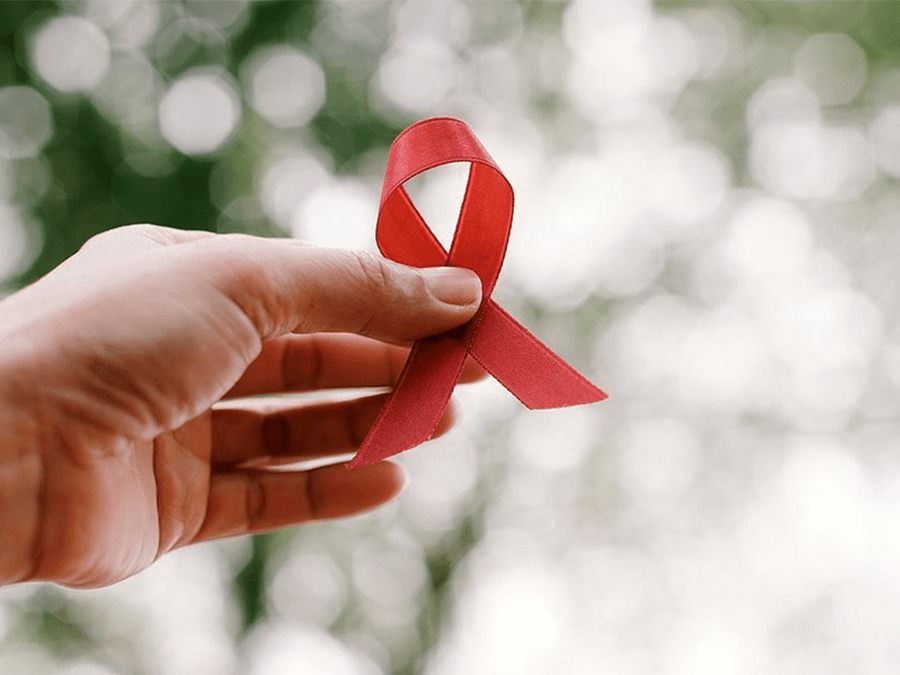
AIDS: The People Seen as Nothing But Their Blood

by Christian Lawrence M. Tan || Photo Credit: Everyday Health

We live amongst people with all sorts of illnesses, from the hypertension your grandmother might have to the diabetic cousin anyone could have. However, why is a full-blown freak-out the first reaction to HIV? People think their blood is filthy, soiled as the rag you use to wipe your dinner table, or like a wound that never heals and spreads like wildfire just by being near. All the people ever see in them now is their blood and what stains it.  

Fear-mongering by the media makes it worse, as the stigma only grows with knowledge. People are scared because they know of it, but their hostility comes from not knowing about it. They are aware of the danger the disease itself poses but feel justified in their scorn of the afflicted because they don’t know how it feels and has no desire to contract it themselves. Despite all the knowledge available to the average person about this stigma-clad disease, anyone and everyone can still be ignorant.  

HIV stands for “Human Immunodeficiency Virus.” It attacks the body’s immune system until it begins to struggle against other diseases. If left untreated with antiretrovirals for long enough, it develops into the condition known as AIDS (Acquired Immunodeficiency Syndrome). By then, the human body is so weak to infection that something like a little cut can be life-threatening. As an STD, it is spread through sexual contact, or mediums such as blood, semen, and vaginal excretions. 

One would think that there would be more sympathy from the common man given all the information of what HIV/AIDS positives suffer through, but that is unfortunately not the case. And so the big question is: do they really deserve it? After all, it is not as if they willed it. The logic that victims go about philandering in an attempt to catch it on purpose is simply foolish. By judging them and isolating them from society, you ostracize these suffering individuals simply because you hold prejudice against them.  

Some might say they are being punished for their carelessness and being ‘impure’, but again, does one see themselves planted on the ground before they even spot the rock they will trip on? People like to pretend they’re in the right because they feel that they can see the situation unfold from all sides, but they fail to consider what it might actually be like for the person suffering.  

Breaking down the barrier is the first step of creating an environment where one can freely reach out. There shouldn’t be a difference in how people with HIV or AIDS are treated. Place yourself in their shoes for you to understand them better and for you to grow as a person from it. It is time to stop seeing these people as filthy-blooded monsters, and rather a time to regard them as the good average person they were, and still are, supposed to live as. 

Change Is Not A Game Of Chance: Your Vote Matters

by Kassie Fallorina || Illustration by Sophia Cabalona

We need change.  

Since 2016, the country has seen everything except the change it was promised. From social injustices to widespread poverty, the “Change is Coming” mantra seems to have taken a turn for the worst.  

As Duterte’s war on drugs continues on, so does the call for justice by the slain victims’ relatives. “Mahal na mahal ko ang anak ko at hindi ako papayag na ganyan na nga nangyari sa kanya tapos makakalimutan pa ng mga tao na walang hustisya para sa kamatayan niya. Nilakad ko iyong police report, hindi sila willing ibigay kahit ano. Marami silang dahilan,” Nanette Castillo told Rappler as she recalled how her son, Adrian, was killed by seven masked men in Tondo, Manila on October 2, 2017. (I love my son so much and I won’t allow that this happened to him only for his death to be forgotten— without justice— by the people. I went to the police; they aren’t willing to give me anything. They gave many reasons.)

In a survey conducted by the ASEAN Studies Centre, 53.7% of the participating Filipinos disapproved of the administration’s pandemic response—the highest among Southeast Asian countries. 

In the midst of the chaos, thousands of Filipinos took to social media to express their disappointment on the Philippine government’s lack of action and urgency, with posts including hashtags such as #OustDuterte and #DutertePalpak. However, these complaints seem to fall on deaf ears as people in power continue to turn a blind eye, leaving citizens to fend for themselves.  

We have lost trust in key institutions and seen our sovereignty handed away on a silver platter. We have witnessed how the innocent were accused and ruthlessly killed in the brutal campaign against drugs. We have had too many preventable deaths from a pandemic that the government belatedly responded to and still inefficiently deals with. 

Our democracy is crippling right before our eyes, and we need more than just social media posts and Twitter hashtags to restore it— we need strong, competent leaders. Leaders who will live by their constitutional promise of service to the country. Leaders who will take criticism as a step towards improvement and not as a threat for deposition. Leaders who will listen and take accountability for their actions.  

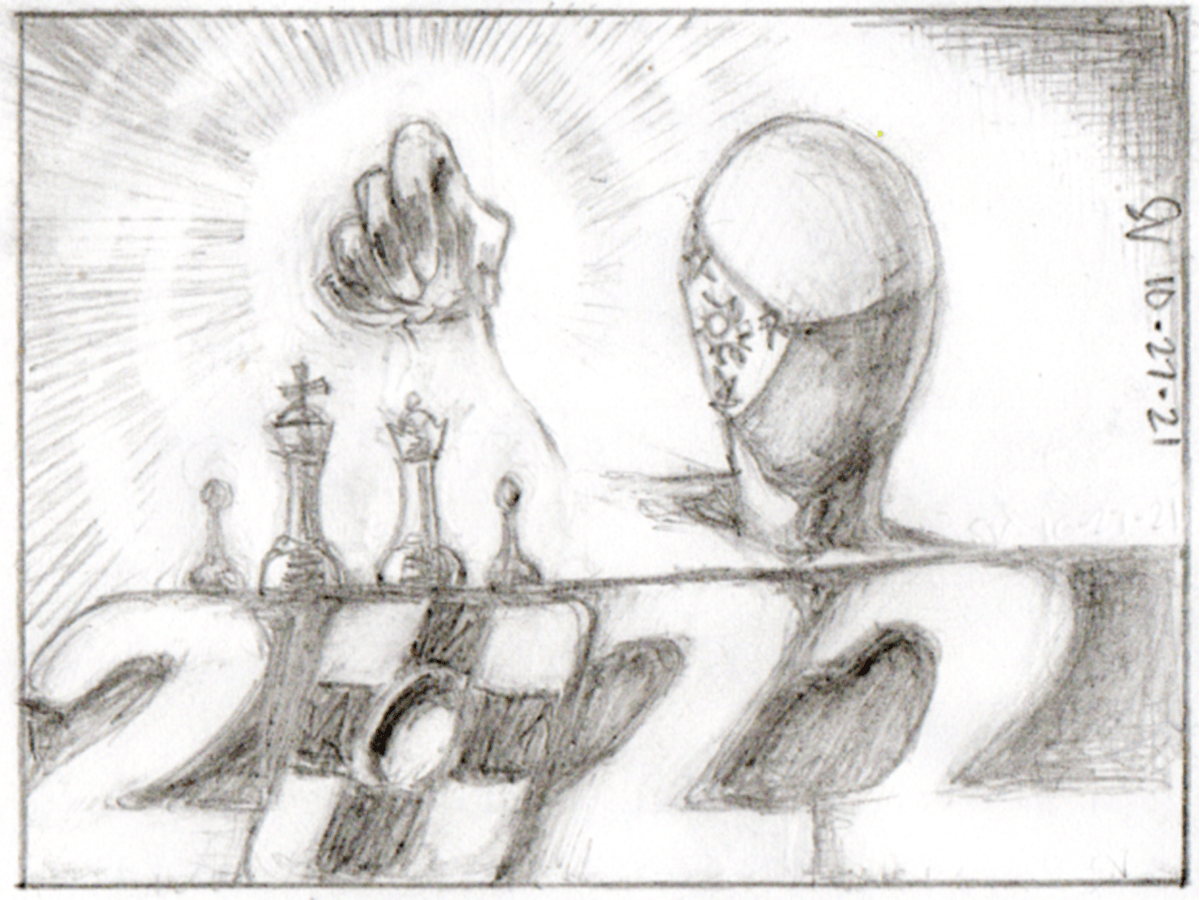
So, with less than a year until the 2022 elections, the difficult decision of whom to put in power now rests on our shoulders.  

“As of September 11, we already processed 63,364,932 registered voters,” Commission on Elections (COMELEC) Chairman Sheriff Abas told CNN Philippines on September 29. 

While this may seem like a big number, it is still 9.7 million short of the total number of voters eligible to vote in the 2022 polls. It is important to note that every vote wasted is a step taken back in the march towards restoring our democracy.  

To the individuals who haven’t registered yet, your country needs you now, more than ever. With the looming voter registration deadline on October 30, don’t look away, especially when so much is at stake. For you, for us, and for every Filipino deserving of good governance.  

One vote, may it be yours or someone else’s, could be the deciding factor that would either plunge us deeper into crisis or shed light amid the darkness. 

Change shouldn’t be left to chance anymore, because as we have learned the hard way, it is a choice that will determine how the story sees itself through. 

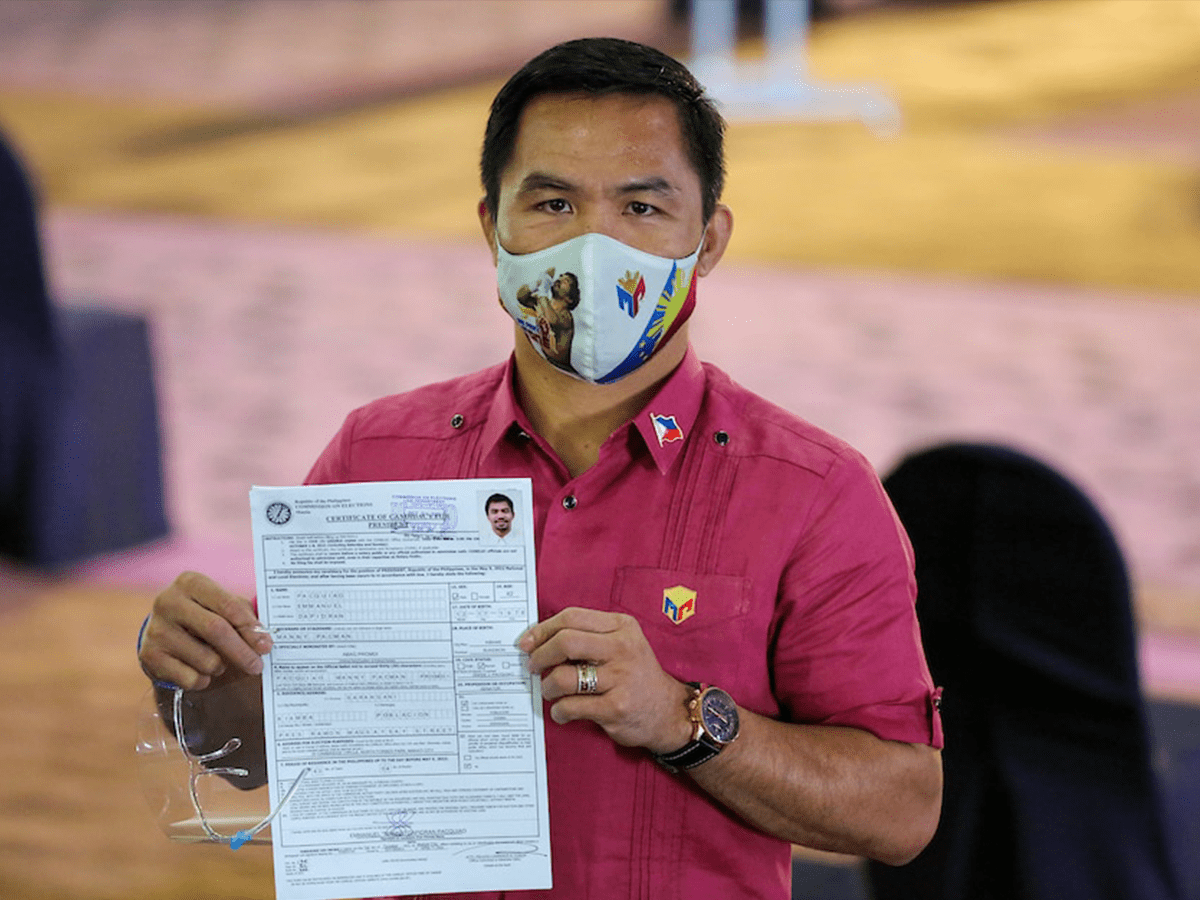
A New Fight: Pacquiao’s Run for Presidency

Kyle Abello ||

Photo credits: ABS-CBN News

After nearly three decades of professional boxing, Emmanuel Dapidran Pacquiao Sr.— better known as Manny Pacquiao— has decided to retire from the sport. However, even with the matches over, he is set to tussle for another title: the president of the Philippines.

While Pacquiao fits the criteria to run— as stated in Article VII, Section 2 of the 1987 Constitution— the boxer should observe the three requirements one should look for in a presidential candidate, according to late senator Miriam Defensor Santiago: academic, professional, and moral excellence.

To start, academic excellence. Pacquiao earned a Bachelor of Science degree in Political Science after a year of study last December 2019 from the University of Makati (UMak) through the Expanded Tertiary Education Equivalency and Accreditation Program (ETEEAP). However, UMak is not authorized by the Commission on Higher Education (CHEd) to issue the degree to Pacquiao. Although earning a bachelor’s degree is not a requirement to become president, it would be a risk to have a nation led by someone considerably uneducated. After all, the presidency is the highest position in the Philippine government and should not be treated as a training ground.

Second, professional excellence. Having the worst attendance record and no official mission in the senate, Pacquiao, as a senator, did not focus on being a lawmaker. Instead, he concentrated on boxing, participating in professional matches such as the fight with Ugas to reclaim the welterweight title. That being said, lawmaking became Pacquiao’s side job. He dedicated his attention to the sport when, instead, he could have utilized his years as senator to become more knowledgeable and efficient as a politician.

“‘Pag sa araw, wala akong iisipin kundi ang training ko. After training, relax-relax ako, tawag ako sa family and mga bata. After that, pag-uusapan ang work sa senate (During the day, I don’t think of anything but my training. After training, I’ll relax and call my family and the kids. After that, I’ll focus on my job in the senate.),” Pacquiao disclosed in an interview with Toni Gonzaga.

Third, moral excellence. As a known philanthropist, Pacquiao empathized with the poor, lending a hand to those in need and by offering free housing. Another point to note about him is that he has been known as a devout Christian throughout his career. While Pacquiao’s actions may be taken as a sign of good morals, it does not help the struggle of the Philippines to separate the state and religious beliefs. Furthermore, in an interview, Pacquiao made remarks directed at the LGBTQIA+ community, calling them ‘worse than animals’, which may have been influenced by the old ideologies of his religion.

In Pulse Asia’s latest pre-election survey, 12% of 2,400 Filipino voters support the boxer for the presidency. But, being a good boxer does not equate to being a good politician or president. Therefore, Filipinos should be more thorough in choosing who to vote for in the 2022 elections, especially if their top pick is Pacquiao. 

Manny Pacquiao may have united the nation and reignited the Filipinos’ nationalistic flame when his fights were on, but the presidency might not be the best fit for him nor the country. His intentions and platforms may be good, but the Philippines needs someone knowledgeable, compassionate, and well-versed on what is best for the nation.

How to Be a Prestigious School

Tiffany Glenne Afable || Illustration by Nathalia Canlas ||

Trigger warning: This article contains statements regarding sexual harassment and predatory behavior.

Sexual harassment must be condemned in all spaces, but most especially in establishments that are meant to be safe for young learners.

Unfortunately, this is becoming a common occurrence within said establishments. Incidents wherein the perpetrator is a close batchmate or a known upperclassman, or sometimes, even a trusted figure in the faculty have occurred with alarming frequency.

In the past two years, several schools have faced criticism and calls for safer learning environments. With hashtags like #MCHSDoBetter, #SPCPSQUAREUP, #USTSHSDoBetter, and #TimesUpAteneo, victims have come forward about their experiences, and student bodies have amplified their voices in order to create clamor and bring attention to these cases. 

In 2020, eleven victims— students of the Bulacan State University— shared their experiences of being sexually harassed by a teacher, which mostly occurred in their school’s computer laboratory. This sparked a movement among the student body, led by the #SafeSpacesLHSNow. More recently, a similar movement has risen among the Pisay community with the hashtag #PisayDoBetter after a number of students came forward with their stories that uncovered years worth of sexual harassment done by a well-known teacher in their campus. 

However, investigations on these cases don’t seem to be given the urgency they need.

Some educational institutions only write statements as a form of response to sexual harassment cases, such as in the case of the movement #TimesUpAteneo, which had risen within the Ateneo de Manila University’s student community. Many were disappointed with this response. Replies such as Saddened lang? No mention that they should not tolerate it at all?” and “Last year pa ‘to ah. Hindi pa pala resolved ‘to?were posted under the tweet. It is evident from these comments that it seems to take a long time before schools start to take action—poor action—on sexual harassment cases, as if the violation of their students’ security doesn’t  hold much gravity to them.

This kind of treatment has led victims to keep their trauma to themselves. Rather than perpetrators being afraid of the consequences of their actions, the way those in authority respond to such cases create an environment where it is instead the victims who fear the repercussions of coming forward. This place that students consider as their safeguard no longer feels secure.

With the countless times that different student bodies have clamored for justice, with the countless times hashtags like #ProtectYourStudents and #DoBetter have trended on social media, a disturbing pattern begins to emerge: some stories that had occurred years before had been kept in the dark because of how the perpetrator was a personality loved by many.

This then begs the questions: How many more of these stories are in the dark? How many more incidents are in the closets of these prestigious schools, rotting along with the other skeletons they have hidden? How many more victims have to be forced to keep silent? How many more cries have to be left unheard?

Students don’t want strict dress codes. They don’t want statements of sympathy. They want systematic change, which includes justice for the victims and accountability for the perpetrators. And so, this outrageous cycle of drawing a veil over the sexual harassment happening in schools has to stop, because for as long as this goes on, predators will continue to walk down school hallways; this nature that allows predators to run free and students to drown in their trauma must be eradicated.

To the teachers, you are considered as the second parents of these young learners. It is your duty to educate your students properly and to become a figure they can look up to. You must never use your authority as a pass to sexualize and take advantage of them, may it be a joke or not.

To the school administrators, every student has the right to feel secure in their learning environment, and it is your obligation to make sure nothing interferes with that. Your blatant ignorance of the sexual harassment and assault that happens within school hallways is what enables this culture to keep going, and it will continue to prey on your students until you finally decide to step in and act upon it. A reputation—no matter how glorious—is hollow when it stands in a graveyard of the stories you have sent to die without justice.

To the victims, whether you have come forward or are still finding the strength to tell your story, you are immensely courageous. This is your fight, and we will always stand by you. We will continue to push forward until a safe learning environment is made and fuel our voices until this cycle is lit ablaze.

Someday, we will finally see this culture in ashes.