
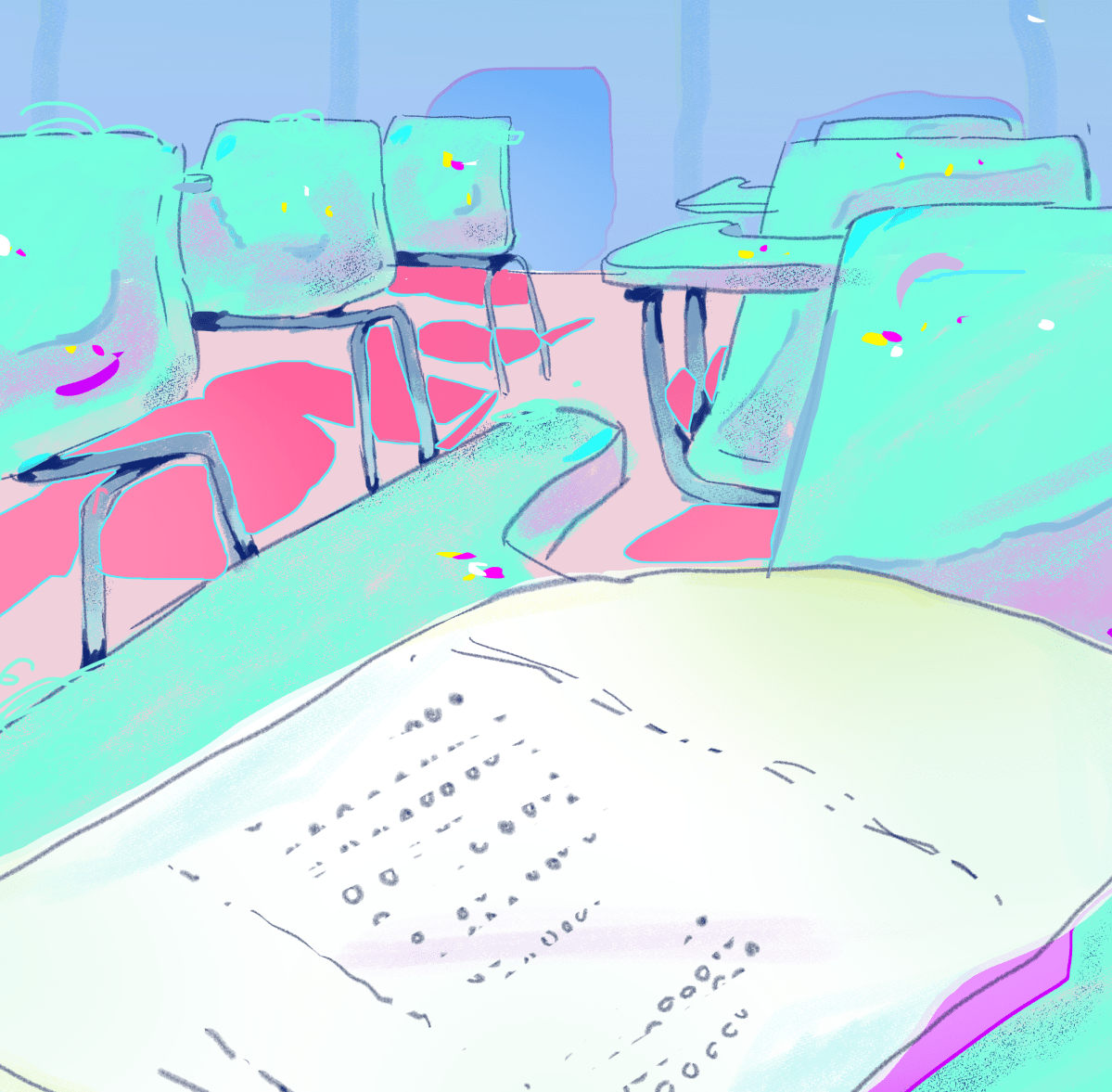
by Ellyce Lim || Illustration by: Kyle Nase
THE NCE IS BACK! Right off the bat, let’s take a moment to appreciate the fact that you are applying to Philippine Science High School. Has this been your dream high school forever? Did you only apply because of your friends? Or are you perhaps taking it just to see if you could pass? No matter the case, I’m sure you’d want to ace this exam.
So to help you out, here are some tips and tricks from your future senior ates and kuyas that could make your NCE experience much less daunting.
Tips, Tricks, and To-do’s
- What’s in your bag?
Trust me when I say you’ll want to prepare your bag beforehand. The last thing you need is to get to the testing center to find you forgot to pack an eraser, calculator, or worse— your lucky pen. In all seriousness, it may seem like a small thing to do, but it can help a lot knowing that you’re ready and set to go.
- Food is life
One tip you’ll hear from almost every NCE taker is to bring snacks. Biscuits, chips, drinks, water, whatever you choose, ensure it is convenient and filling. Just like with learning, taking a test on an empty stomach is never a good idea. You’ll need all your focus to be on the paper, not your grumbling organ. I prefer smaller snacks and candies, but that can vary among people. Make sure to bring your favorites, but avoid messy food!
- Sleep like a baby
Proper rest is super important for when you take the NCE. Your brain won’t be at its best if you lack an adequate amount of sleep. 8 hours at least. Trust me, you don’t want to be falling asleep while taking (speaking from experience).
- Be comfortable
Preparing yourself for the test includes being as comfortable as possible. The test isn’t about looking good, so be sure to wear something decent but comfortable.
- Time waits for no one
Always be aware of the time. Usually, the proctors will update you on how much time you have, but sometimes, they can forget to do that. Just to be safe, bring a watch since you can’t use your phone during the test, and remember to check it occasionally.
- Don’t panic
It’s pretty obvious that you shouldn’t panic, but it’s worth reminding. If you feel like you don’t know the answer to a question, just move on to the next and go back to it later. If time is almost up and you have a lot of blanks left, guess! Try to finish the paper as much as possible, even if you have to resort to guessing. Statistically, you would still have a chance to get the right answer.
- Gut Feel is so Real
I cannot count how often I’ve heard people say, “I shouldn’t have changed my answer” or “I should have trusted my gut” after taking a test. It’s good to rely on logic most of the time, but sometimes you just need to step back and let your instincts take the reins.
- Imagination
This tip is for the abstract reasoning portion. Your imagination is a valuable asset! When you get questions that require viewing other perspectives, you can try to picture the object in front of you. Imagine that it is tangible. Spin it, twist it, and move it around so you can see what it would look like. I know you might look like a weirdo in the process, but trust me, it works.
- Question Clues
Sometimes the questions in the test reference each other. You might be able to find the answers by simply reading other questions, so take note of the repetitions and reoccurring themes while you go through the test.
- Stop Reviewing
I know this sounds ridiculous, but this is 100% serious. Stop reviewing the night before and the day of the test. You’ve done what you can and one day of extra reviewing cannot change that much. You need your mind to be as fresh and energized as possible. So, take the night off to prepare your things and just go to sleep, okay? You need and deserve the rest.
To sum it all up, Prepare early, be comfortable and calm, and be sure to be in your best condition before the test. Stop reviewing the night before and instead, use the time to prepare your things and get enough rest. During the test, trust your instincts, use your imagination, and be on the lookout for question clues. Finally, remember that you deserve this. Taking the test is already a huge achievement on its own. You can do this, future Isko.
Good luck, and see you in Pisay!




 the-science-net.com